
Off-Market Property UK: What It Is and Why It Matters for Investors
Off-Market Property UK: What It Is and Why It Matters for Investors
Off-Market Property UK: What It Is and Why It Matters for Investors
A top-of-funnel explainer on off-market property, why sellers choose it, and how it benefits buyers with less competition.
A top-of-funnel explainer on off-market property, why sellers choose it, and how it benefits buyers with less competition.
A top-of-funnel explainer on off-market property, why sellers choose it, and how it benefits buyers with less competition.
Off-Market
Author:
Luther James-Wildin
Most people looking to invest in property in the UK start in the same place: Rightmove.
Most people looking to invest in property in the UK start in the same place: Rightmove.
Most people looking to invest in property in the UK start in the same place: Rightmove.
But off-market property is different. And for serious investors, it’s where the best deals are.
But off-market property is different. And for serious investors, it’s where the best deals are.
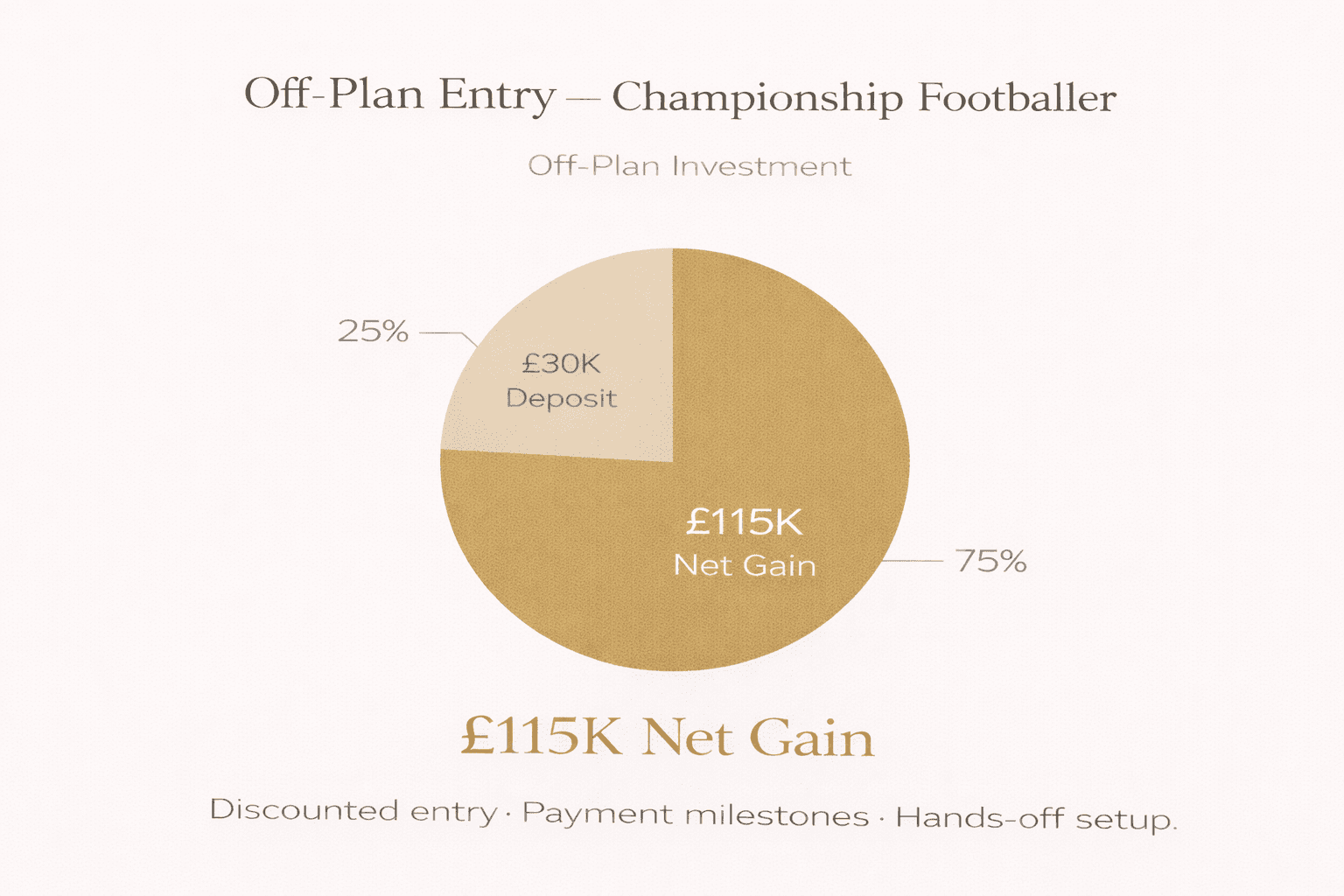
Most people looking to invest in property in the UK start in the same place: Rightmove.
It’s where the properties are listed, it’s easy to search, and it gives you a broad view of what’s available.
But the properties on Rightmove are, by definition, available to everyone. Which means you’re competing with every other buyer in the country for the same opportunities.
Off-market property is different. And for serious investors, it’s where the best deals are.
What Does Off-Market Mean?
An off-market property is one that is sold privately — without being listed on Rightmove, Zoopla, or any other public portal.
The sale happens directly between the seller (or their agent) and a small number of pre-qualified buyers. No public advertising. No open days. No bidding wars.
These deals exist because sellers sometimes have specific reasons to want a private transaction:
• They don’t want the disruption of a public sale — particularly relevant for landlords with tenants in situ
• They want a fast transaction and don’t want to wait for a full marketing campaign
• They’re a developer or institutional seller who only deals with trusted buyers
• The property is distressed or in a situation where discretion is important
Why Off-Market Matters for Investors
The advantages are straightforward:
Less competition
When a property is listed publicly, it can receive dozens of offers within days. Off-market, you might be the only buyer in the room. That changes the negotiating dynamic entirely.
Better pricing
Without a competitive bidding process driving the price up, off-market transactions often complete at a more favourable price for the buyer. This is particularly valuable for strategies like BRRR, where buying below market value is the foundation of the model.
Speed
Off-market transactions typically move faster. Fewer parties, less noise, and a seller who’s already motivated. For investors who can move quickly, this is a significant advantage.
Access to deals that simply don’t exist publicly
Some of the best investment opportunities — distressed sales, developer discounts, portfolio disposals — never reach the open market at all. If you don’t have the network, you never even know they’re available.
How Do You Access Off-Market Deals?
This is where most investors hit a wall. Off-market isn’t a website you can sign up to. It’s a network. And building that network from scratch takes years.
The most common routes are:
• Direct relationships with estate agents who hold pocket listings for trusted buyers
• Developer contacts who offer pre-release opportunities before public launch
• Solicitors and insolvency practitioners who handle distressed sales
• Property sourcers with established networks — who do the relationship-building work for their clients
The last point is essentially what we do at The Players Property Partners. Our entire model is built on off-market sourcing — it’s not a feature of the service, it’s the foundation of it. Every deal we present to a client is one that was never publicly listed.
Off-Market Doesn’t Mean Off-Scrutiny
One important point: off-market doesn’t mean you skip due diligence. If anything, the opposite is true. Because you’re often dealing directly with motivated sellers or distressed situations, the due diligence process is even more important.
Every property we present comes with a full due diligence pack — legal, structural, financial, and market analysis — before we ask any client to make a decision. The off-market access gets you through the door. The due diligence is what makes sure the deal is actually good.
Is Off-Market Right for You?
If you’re an investor looking for the best possible deals with less competition and more control over the process, yes.
If you’re an athlete or high-net-worth individual who wants access to investment opportunities that aren’t available to the general public, yes.
If you want to browse casually and aren’t ready to move when the right opportunity comes up, off-market probably isn’t the right fit yet — because the deals move quickly and the access is selective.
If you’d like to understand what off-market access looks like in practice and whether it suits where you are right now, request a strategy consultation. We’ll give you a clear picture with no pressure.
Most people looking to invest in property in the UK start in the same place: Rightmove.
It’s where the properties are listed, it’s easy to search, and it gives you a broad view of what’s available.
But the properties on Rightmove are, by definition, available to everyone. Which means you’re competing with every other buyer in the country for the same opportunities.
Off-market property is different. And for serious investors, it’s where the best deals are.
What Does Off-Market Mean?
An off-market property is one that is sold privately — without being listed on Rightmove, Zoopla, or any other public portal.
The sale happens directly between the seller (or their agent) and a small number of pre-qualified buyers. No public advertising. No open days. No bidding wars.
These deals exist because sellers sometimes have specific reasons to want a private transaction:
• They don’t want the disruption of a public sale — particularly relevant for landlords with tenants in situ
• They want a fast transaction and don’t want to wait for a full marketing campaign
• They’re a developer or institutional seller who only deals with trusted buyers
• The property is distressed or in a situation where discretion is important
Why Off-Market Matters for Investors
The advantages are straightforward:
Less competition
When a property is listed publicly, it can receive dozens of offers within days. Off-market, you might be the only buyer in the room. That changes the negotiating dynamic entirely.
Better pricing
Without a competitive bidding process driving the price up, off-market transactions often complete at a more favourable price for the buyer. This is particularly valuable for strategies like BRRR, where buying below market value is the foundation of the model.
Speed
Off-market transactions typically move faster. Fewer parties, less noise, and a seller who’s already motivated. For investors who can move quickly, this is a significant advantage.
Access to deals that simply don’t exist publicly
Some of the best investment opportunities — distressed sales, developer discounts, portfolio disposals — never reach the open market at all. If you don’t have the network, you never even know they’re available.
How Do You Access Off-Market Deals?
This is where most investors hit a wall. Off-market isn’t a website you can sign up to. It’s a network. And building that network from scratch takes years.
The most common routes are:
• Direct relationships with estate agents who hold pocket listings for trusted buyers
• Developer contacts who offer pre-release opportunities before public launch
• Solicitors and insolvency practitioners who handle distressed sales
• Property sourcers with established networks — who do the relationship-building work for their clients
The last point is essentially what we do at The Players Property Partners. Our entire model is built on off-market sourcing — it’s not a feature of the service, it’s the foundation of it. Every deal we present to a client is one that was never publicly listed.
Off-Market Doesn’t Mean Off-Scrutiny
One important point: off-market doesn’t mean you skip due diligence. If anything, the opposite is true. Because you’re often dealing directly with motivated sellers or distressed situations, the due diligence process is even more important.
Every property we present comes with a full due diligence pack — legal, structural, financial, and market analysis — before we ask any client to make a decision. The off-market access gets you through the door. The due diligence is what makes sure the deal is actually good.
Is Off-Market Right for You?
If you’re an investor looking for the best possible deals with less competition and more control over the process, yes.
If you’re an athlete or high-net-worth individual who wants access to investment opportunities that aren’t available to the general public, yes.
If you want to browse casually and aren’t ready to move when the right opportunity comes up, off-market probably isn’t the right fit yet — because the deals move quickly and the access is selective.
If you’d like to understand what off-market access looks like in practice and whether it suits where you are right now, request a strategy consultation. We’ll give you a clear picture with no pressure.
More insights
More insights

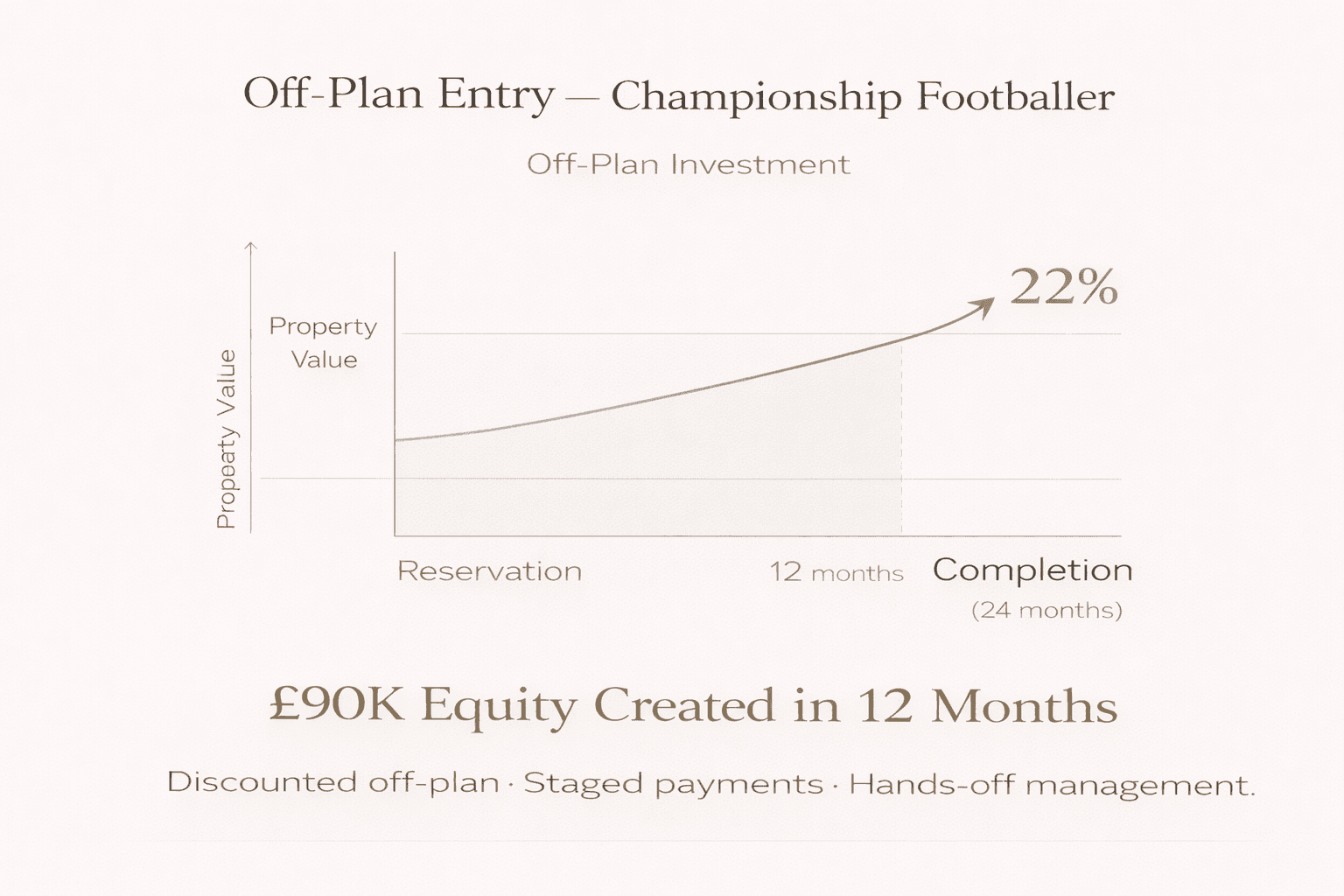

PPP
Not Sure Where to Start?
Book a private consultation to discuss off-market property opportunities tailored for professional athletes and high-net-worth investors.

PPP
Not Sure Where to Start?
Book a private consultation to discuss off-market property opportunities tailored for professional athletes and high-net-worth investors.
PPP
Not Sure Where to Start?
Book a private consultation to discuss off-market property opportunities tailored for professional athletes and high-net-worth investors.
PPP
Not Sure Where to Start?
Book a private consultation to discuss off-market property opportunities tailored for professional athletes and high-net-worth investors.